Homepage/Science Research · Neuroscience
Aphasia Representational Similarity Analysis Model
NIH-funded research at Georgetown University's DARN Lab into why stroke patients lose access to words.
Contact BrendanThe clinical question
Understanding why words disappear after stroke.
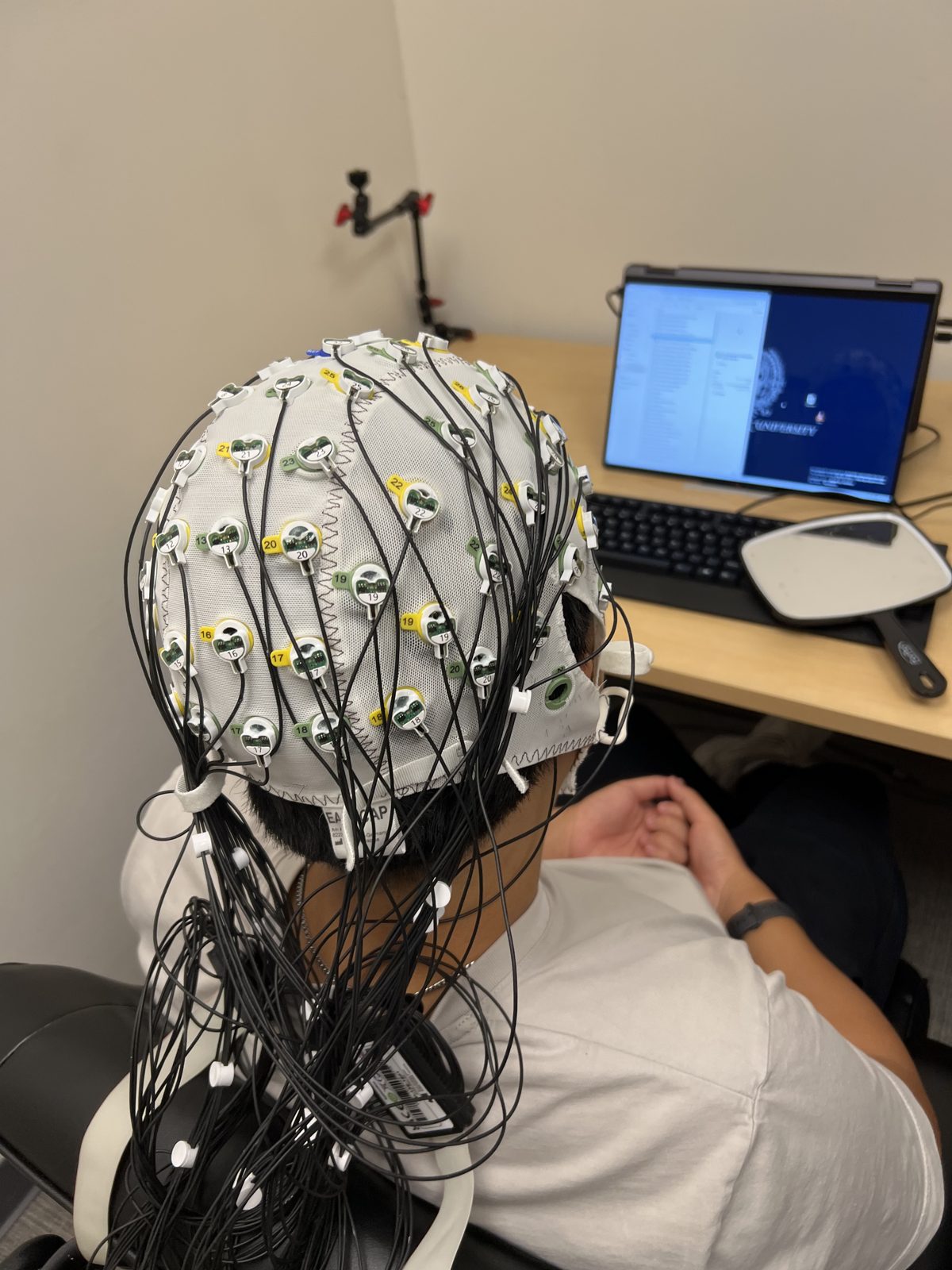
Aphasia can disrupt access to language without diminishing intelligence. At Georgetown University's DARN Lab, this NIH-funded research examines brainwave responses to understand how word representations break down after stroke.
Joining the lab
An opportunity built through persistence.
After contacting more than 100 professors in Georgetown's database, Brendan was selected as the youngest intern in Professor Andrew DeMarco's DARN Lab.
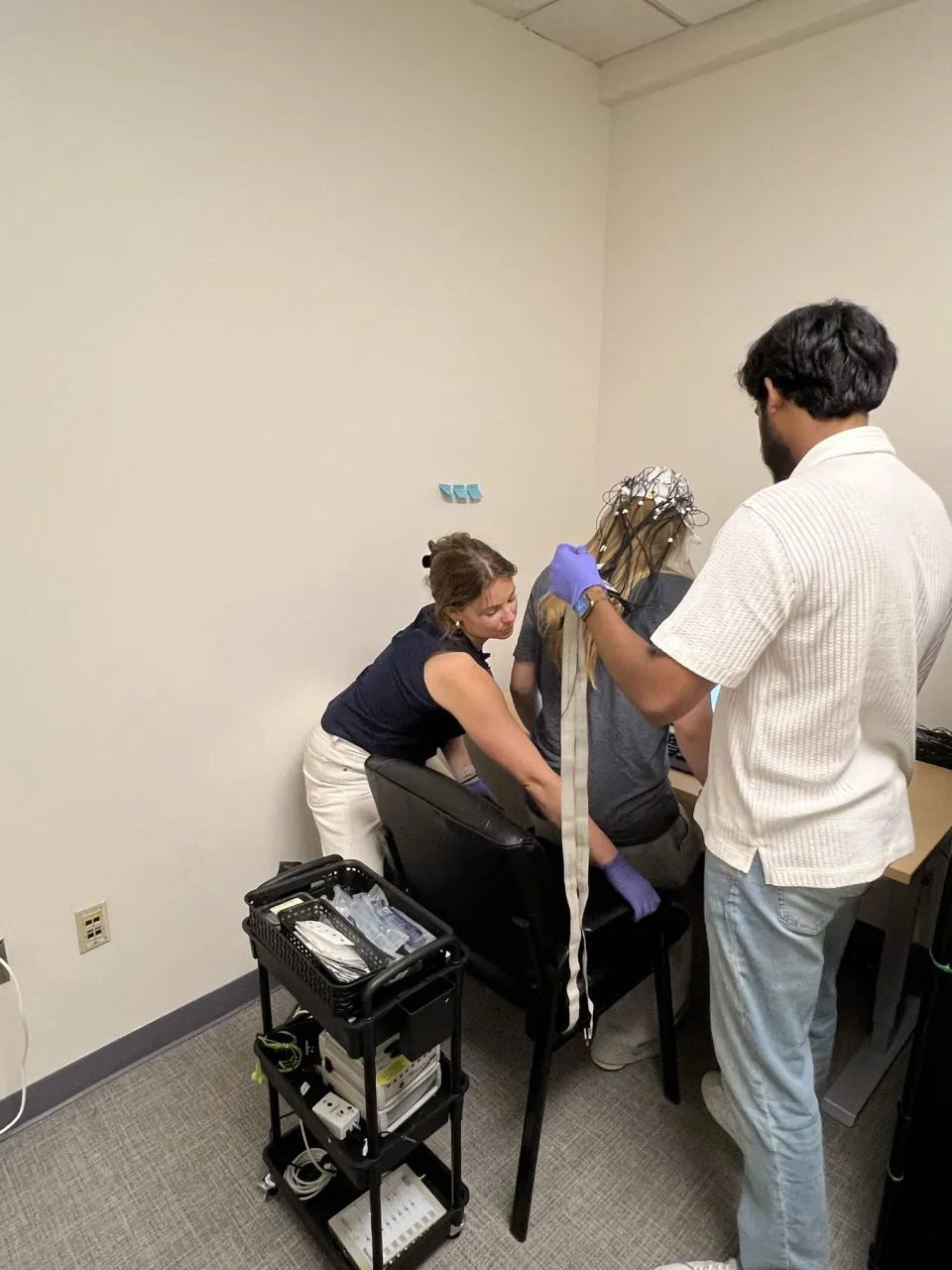
His work sits inside an active research pipeline: preparing raw EEG data, examining experimental responses, and making sure the analysis is reliable enough for researchers to trust what it reveals.
Analysis pipeline
From raw brainwaves to a usable model.
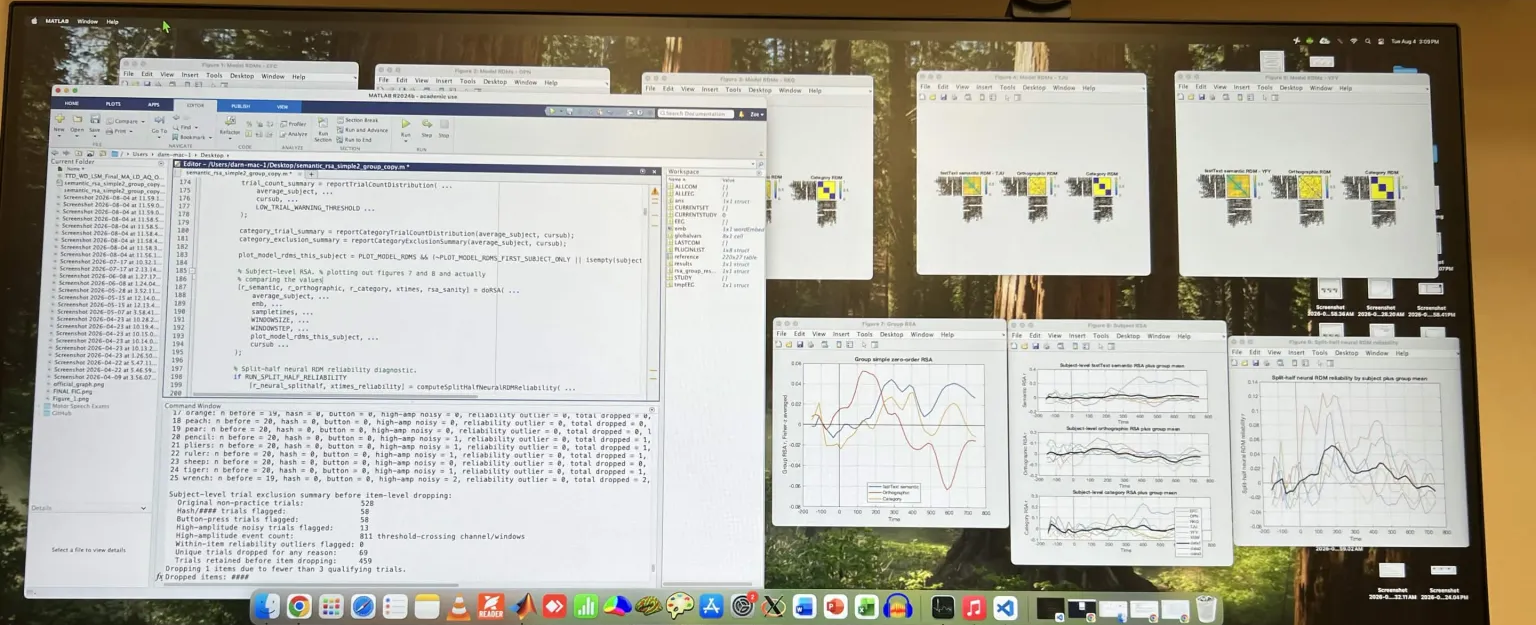
The project combines careful signal preparation with representational similarity analysis across several kinds of word stimuli.
- 01
Filter raw EEG data
Prepare brainwave recordings for analysis by working through the noise and artifacts present in raw datasets.
- 02
Separate stimulus conditions
Analyze semantic, orthographic, and categorical word experiments rather than treating language as a single response.
- 03
Compare 8+ subjects
Work across multiple participant datasets so the analysis pipeline can be applied consistently.
- 04
Correct the RSA workflow
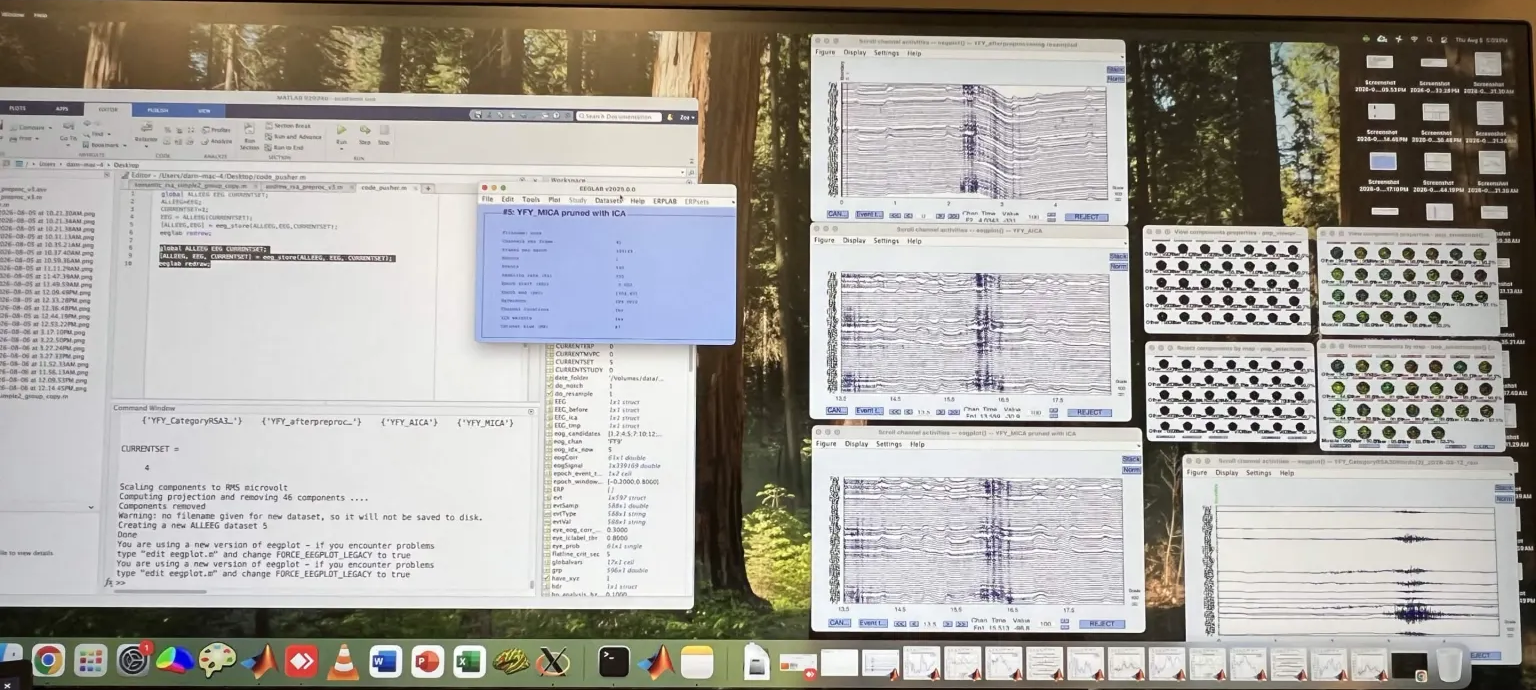
Trace critical errors in the novel analysis script and develop an ICA workaround for the lab's pipeline.
A problem inside the process.
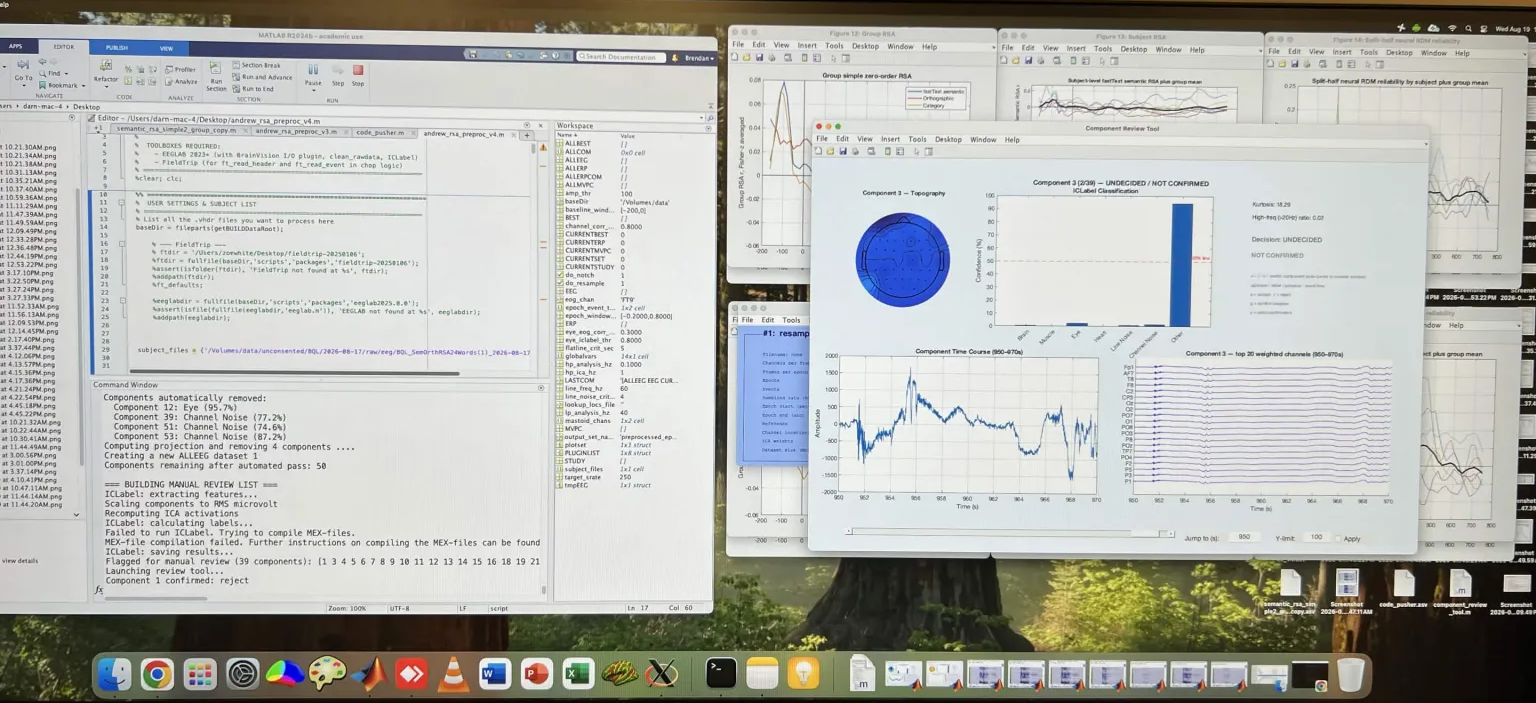
While working through the representational similarity analysis workflow, Brendan found critical errors in the lab's novel RSA script. The issue affected the path from prepared EEG signals to interpretable comparisons.
He wrote an independent component analysis workaround to resolve the problem. That approach is now used by undergraduate and PhD students in the lab as they continue the analysis.
Inside the EEG workflow.
Why it matters
Pinpointing how word representations change after stroke can help researchers build a clearer foundation for targeted recovery work. That depends on both the clinical question and the integrity of the analysis used to answer it.
Correcting the pipeline means future students can work from a more dependable process—and the lab can place greater confidence in the patterns it finds.
- 8+
- Participant datasets analyzed
- 100+
- Professors contacted before joining the lab
- 3
- Word-stimulus categories examined
- NIH
- Funded research context
Discuss this research.
Research, engineering and community collaborations.